Appliance Moving Guide: Refrigerators, Washers, and Dryers
Moving a home’s heaviest workhorses is where even confident DIY movers hesitate. Refrigerators, washing machines, and dryers look tough, yet they can be surprisingly delicate in all the wrong places. Compressors hate tilts, drum bearings dislike sudden shocks, gas connectors demand respect, and a single gouge down a stainless door can ruin an otherwise smooth move. With the right preparation, a few inexpensive materials, and a deliberate sequence, you can relocate these appliances safely and have them ready to perform on day one in your new place.
This is the field-tested approach we use and teach on jobs. It blends manufacturer guidance with what actually happens on stairs and through narrow turns. If you’re hiring professionals, it also gives you a lens for assessing their process. If you’re going DIY, it keeps you out of the avoidable mistake zone.
First, line up your timeline and tools
Appliance preparation starts days ahead, not two hours before the truck arrives. A refrigerator needs time to defrost and dry. A washer wants its drum locked down with transit bolts you probably haven’t seen since delivery day. Dryers may require disconnect tools or a gas shutoff plan. Get the sequence right and moving day turns into a series of calm, clean steps instead of rushed improvisation.
You’ll want a heavy-duty appliance dolly with strap and kick-back wheels, quality moving blankets, stretch wrap, cardboard or Masonite floor protection, corner guards, ratchet straps for the truck, and a set of basic hand tools. Add a non-contact voltage tester if you’ll touch electrical connections, plus a gas sniffer spray or simple soapy water solution for gas dryers. A roll of painter’s tape and a Sharpie will save you twice: label doors and hardware as you remove them, and label water lines and electrical connections before you disconnect.
Refrigerator moving, end to end
Refrigerators resent shortcuts. Most problems trace back to moisture and mishandling. Take the time to do it right and you’ll avoid sour odors, internal leaks, and compressor stress.
Start with the calendar. Unplug the fridge at least 24 hours in advance for top-freezer models, and 36 to 48 hours for French doors or side-by-sides with thick insulation. Empty every shelf and drawer. If you’re tempted to keep condiments, remember that open jars turn into sticky missiles once the truck starts bouncing. Transfer what you can to a cooler and accept that some items aren’t worth the mess.
Defrost the freezer. Prop doors open, lay towels at the base, and place a shallow pan under the evaporator drain if accessible. Let the unit sit until you can wipe every surface completely dry. Any leftover moisture becomes mildew in transit. Clean gaskets and door bins while you’re at it, then leave doors ajar overnight to air out. On high-humidity days, a small bag of baking soda inside helps keep odors down.
Deal with water and ice. Models with water dispensers and ice makers have a supply line on the back and a small plastic fill tube inside the freezer. Close the saddle valve or dedicated shutoff, then dispense water to confirm pressure is gone. Disconnect the line at the fridge and cap both ends. If you skip the cap, residual water will find its way into the truck bed. For internal ice, let it melt during defrost and dry the ice bin thoroughly. Remove and pack the bin separately so it does not rattle and crack.
Prep the body for travel. Take off any loose shelves and drawers. Wrap them in paper or bubble and box them. If you’re squeezing through tight hallways, measure the depth with doors on versus off. Modern refrigerators often gain two or three inches of clearance with doors removed. Detach the kick plate, disconnect wiring harnesses if present, label each connector, and keep screws and brackets in a labeled bag taped to the back of the unit. Protect the doors and corners with moving blankets and stretch wrap. Add cardboard corner guards around stainless edges to prevent dings.
Handle inclines with care. A refrigerator can ride at a tilt on a dolly, but minimize the angle and duration. Tilting a sealed system risks oil migrating from the compressor into the refrigerant lines. If you must lay the unit down, check the manufacturer’s guidance. When no manual is available, safest practice is to keep it upright. If laying down is unavoidable, set it on the side opposite the compressor lines, pad the truck floor, and let the refrigerator stand upright at destination for a minimum of 4 to 6 hours, and up to 24 hours for large French-door models, before plugging it in. This pause allows oil to settle back in the compressor.
Load and secure it properly. Place the refrigerator against the truck wall, ideally on the driver’s side to reduce sway. Use two ratchet straps, one above the center of mass and one near the bottom, tightened enough to prevent movement without compressing panels. Do not strap across handles. Keep it away from items that could shift and scuff the finish.
At the new home, level it front-to-back and side-to-side using the adjustable feet. An unlevel refrigerator can cause noisy operation and poor door sealing. Reconnect water only after flushing the line into a bucket for a minute to clear debris. Then restore power and expect several hours before it reaches temperature. If you smell a chemical odor or hear persistent clicking, power down and consult a technician. Short opening clicks can be normal as the compressor cycles, but repeated clicking that doesn’t resolve often points to a start relay or compressor issue, sometimes caused by a hard jolt.
Washer moving that protects the drum and your floor
Washers are deceptively heavy, with most of the mass in the motor, concrete balance weights, and the drum assembly. The drum hangs on springs, and every pothole en route is a chance for that drum to slam around unless you lock it down. This is where transit bolts matter. They immobilize the drum and transfer loads to the frame.
Find the bolts. If you saved your original shipping kit, you’ll have four heavy bolts, often with rubber bushings. If you don’t, check the manufacturer’s site by model number. Some brands will sell replacements for a modest cost. Makeshift substitutes with threaded rod are risky because lengths and bushings are specific. We have seen cracked tubs from “close enough” bolts.
Disconnect without a flood. Shut off both water valves. Run a quick spin or short fill to confirm the lines are depressurized, and keep a towel and shallow tray under the hoses when you remove them. Cap the faucet outlets with inexpensive threaded caps or wrap them with plastic and a rubber band to prevent drips while movers are in and out. If your drain hose dives into a standpipe, lift it out gently to avoid cracking brittle PVC.
Clean and dry the interior. Run a rinse-and-spin with a cup of white vinegar a day ahead, then leave the door open overnight to dry. Front-loaders are prone to gasket odors if sealed wet. Remove the detergent drawer, rinse it, and pack separately. For pedestal bases, empty the drawer and secure it with painter’s tape. Lock the door latch with tape, never with a metal tie that can scrape the finish.

Install transit bolts. The rear panel will have rubber plug caps or small covers where the bolts thread in. Insert all bolts and snug them evenly. You want firm resistance, not a frame-bending torque. If your model uses shipping brackets or a styrofoam tub support underneath, install those as directed.
Protect and move. Wrap the entire unit with a moving blanket and finish with stretch wrap. Protect corners with additional padding. When tipping onto the dolly, keep the washer’s face toward the dolly to minimize stress on the rear panel fittings. On stairs, two movers should control the load with the dolly strap tight and steps taken in sync. Protect hardwood floors with Masonite or ram board. A single unprotected pivot can leave a crescent gouge you will never buff out.
Installation at destination is the reverse. Remove transit bolts before use, reinstall any rubber caps, and keep the bolts taped to the back of the machine for the next move. Connect hoses with new rubber washers if the old ones look flattened or cracked. Hand tighten, then a gentle extra tweak with pliers. Over-tightening can crack plastic inlets. Open valves slowly and check for leaks over 5 to 10 minutes. Level the machine using the feet, then run an empty rinse to settle it. A front-loader that walks across the floor is rarely level or still has transit bolts installed, which we have encountered more than once on rushed moves.
Dryer moving, electric and gas differences that matter
Electric dryers are straightforward: unplug, disconnect the vent, and you are halfway done. Gas dryers raise the stakes. If you are not familiar with gas connections, consider a licensed technician for both disconnect and reconnect. A tiny leak is too high a price for a DIY victory lap.
Electric first. Unplug from the receptacle. If you have a hardwired dryer, shut off the breaker and verify power is off with a non-contact tester before removing the junction box cover. Take a photo of the wire connections. Disconnect the vent duct at the dryer and check for lint buildup. It is a good moment to replace old flexible foil venting, which crumples easily and does not meet current code in many places. Pack the vent clamp or collar in a labeled bag.
Gas dryer basics. Turn the gas shutoff valve to the off position, usually perpendicular to the pipe. Ventilate the area and avoid open flames. After disconnecting the flexible gas connector at the appliance side, cap the dryer’s gas inlet and cap or plug the supply side as well. In many homes, the supply fitting is just inside the wall recess or on a stub-out; have the correct cap ready based on thread size. Keep the fittings clean and labeled. At the new location, use a new flexible gas connector of the proper length and rating. After reconnect, spray soapy water on every joint and look for bubbles with the gas on. No bubbles, no leak. If you are uncomfortable at any point, bring in a pro.
Remove lint and secure doors. Clean the lint trap and the internal blower housing if you can access it. Lint is fuel and goes where it should not during a move. Tape the door closed with painter’s tape that will not leave residue. For stacked washer-dryer sets, detach the dryer from the stacking kit, label the brackets, and keep all screws together. Two movers should handle the separation, as the dryer is unstable once the brackets are off.
Padding and pathway protection apply the same as for washers. Wrap, strap, and keep the machine upright. Load it in the truck with its controls away from items that could press against knobs or the display.
How long to plan for appliance prep
The practical timing most households need is predictable. Clearing and defrosting a refrigerator is a half-day of waiting plus an hour of hands-on work. Washer prep with transit bolts is about 30 to 45 minutes if you have the bolts ready. Electric dryer disconnect runs 15 to 30 minutes; gas can take 30 to 60 minutes including safety checks. Add time to protect floors and hallways, and to remove doors or railings if measurements demand it. The day before your move often carries the bulk of appliance prep. On moving day, you should only be wrapping, rolling, and loading.
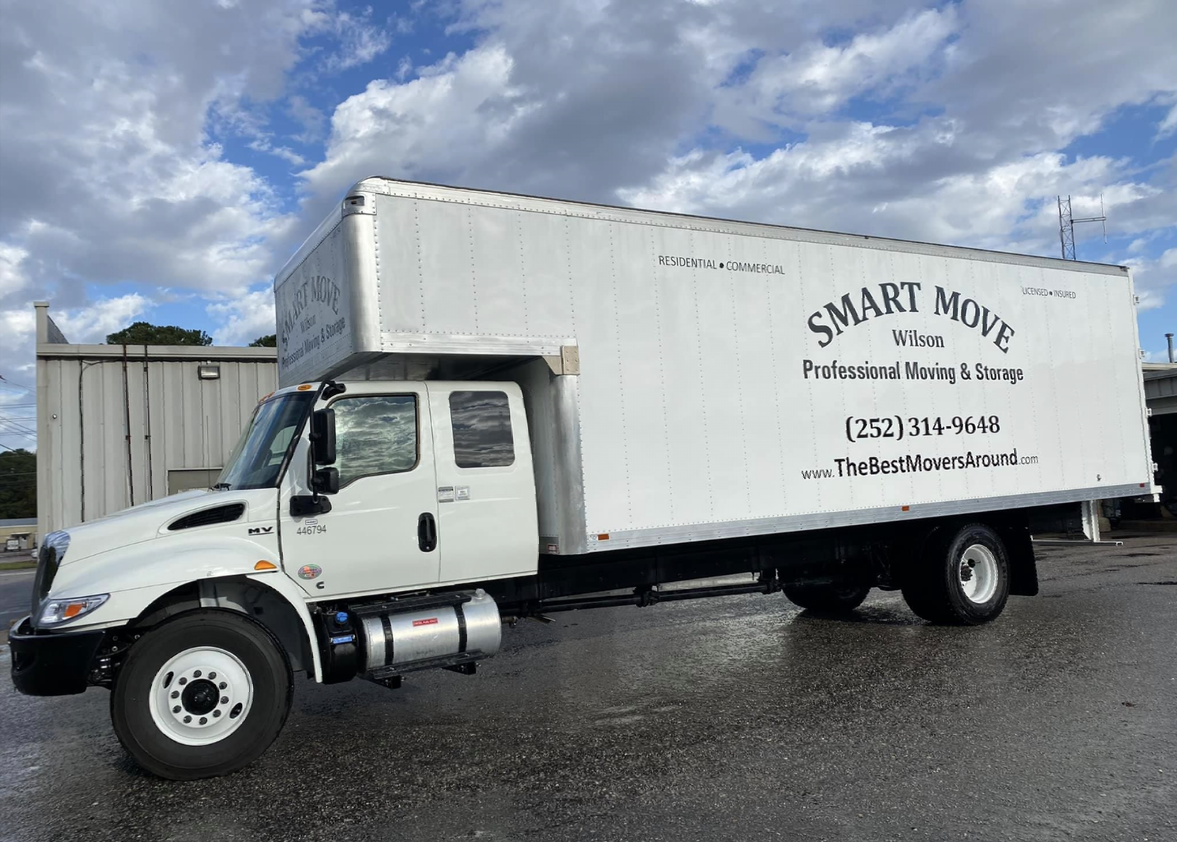
When Smart Move Moving & Storage trains new crews, we teach them to stage appliances near an exit last in the day before a move. That keeps moisture and odors out of the living areas and gives the team a straight shot on moving morning. We also practice the dry run: measuring the path, future turns, and landing areas downstairs, and addressing sharp turns with temporary corner guards. This prep is what prevents panicked pivots that dent panels.
Mistakes that cost money and how to avoid them
The same errors repeat across homes and brands. People forget to air out the fridge after defrosting, and musty odors set in. They skip transit bolts on a front-loader, and the drum bearings protest a month later. They reuse brittle plastic vent hoses and wonder why the laundry room smells hot and dusty. Or they pack a refrigerator upright but plug it in immediately after arrival, and the compressor grinds from oil displacement.
Avoid these mistakes with a short mental checklist: dry the fridge completely and keep doors cracked until loading, install washer transit bolts, replace dryer venting with a rigid or semi-rigid duct, allow upright rest time before energizing a refrigerator, and keep a parts bag taped to each appliance so nothing goes missing. You can fold these checks into a larger move plan the same way you might use The Ultimate Stress-Free Moving Checklist (Step by Step) or a moving companies greenville nc Smart Move Greenville 30-Day Moving Timeline: What to Do Each Week. Good planning lowers stress, but it also prevents expensive repairs.
Safety details that don’t get enough attention
Appliance dollies have weight limits. A full-size French-door refrigerator can weigh 300 to 400 pounds, sometimes more with glass shelving. Use a rated dolly with strap, and don’t rely on the strap alone. The mover at the base of stairs controls the descent and takes most of the load. Communicate every step. On narrow stairs with turns, remove doors, hinges, or handrails before you try to fit the load. It is faster than patching drywall.
Electrical cords should be secured with tape or wrap; a dangling plug is a trip hazard and can scratch paint. For gas work, an inexpensive combustible gas leak detector is worth carrying in the toolbox. We use both soapy water and an electronic sniffer as a redundancy. For stacked units and laundry closets, set aside more time than you think for uninstall and reinstallation. Confined spaces add strain and reduce your room for safe handling.
When professional help pays off
Plenty of homeowners move appliances successfully with a friend and an appliance dolly. The case for hiring a crew appears when you stack variables: a second-floor laundry, tight turns with plaster walls, a 36-inch counter-depth fridge that still will not clear the island, a gas dryer, and a strict move-out window. Add building rules like elevator reservations or liability insurance requirements and the complexity rises.
What’s Included in a Full-Service Move and When It’s Worth It depends on your home. Appliance disconnect and reconnect often fall into a gray area, since some movers will only move items that are disconnected by the customer, while others offer full disconnection services or coordinate licensed trades. If you are comparing teams, focus on process, not promises. How to Choose a Moving Company: 15 Key Questions to Ask should include specifics like: Do you install washer transit bolts? Do you have written guidance on refrigerator rest time before powering up? How do you protect floors and doorways? Will you handle gas disconnects, and are you licensed to do so in this jurisdiction? You learn more about a mover’s quality from those answers than from a paragraph about “careful handling.”
Smart Move Moving & Storage has refined an appliance protocol that puts most of the prep the day before. We coordinate with building management when elevator pads and time slots are required, and we build appliance handling into the Moving Day: An Hour-by-Hour Guide for a Smooth Experience we share with clients. On local moves, we keep a short list of technicians we trust for gas appliances and ice maker hookups, because scheduling that correctly prevents a lot of last-minute scrambling.
Measurements, paths, and building logistics
Measure the appliance, then measure the route, including height and width at every turn. Measure doorways, stair widths, ceiling clearances at landings, and the path around kitchen islands. Take into account that handles and door thicknesses add to the working width even if the published spec says otherwise. If the numbers do not work, you have three main tactics: remove appliance doors, remove house doors from hinges, or change the path entirely. For narrow hallways, a shoulder turn with careful padding may be enough, but if you hear metal against drywall, stop and rethink. A small detour through a back patio door has saved more refrigerator doors than any other tactic we use.
In apartments and condos, How to Coordinate Elevators and Building Permits for Your Move matters just as much as physical prep. Some buildings require protective padding, elevator bookings, and a certificate of insurance before you can move heavy items. Appliances test everyone’s patience if those steps are skipped. Smart Move Moving & Storage treats these as early tasks in the planning process, along with confirming dock access and height limits for trucks, so the crew is not stuck waiting while a building manager tracks down keys to a service elevator.
Packing materials that actually help
Appliances look like boxes, but they need softer materials than you might expect. Moving blankets with dense padding absorb vibration and protect finishes. Stretch wrap holds blankets in place and protects against dust and drips, but it does not add impact protection by itself. Corner guards and strips of corrugated cardboard make a difference on stainless edges and control panels. For floor protection, ram board or Masonite sheets work well on hardwood and tile. On slick floors, rosin paper beneath ram board helps prevent creeping.
For inside the truck, How to Protect Furniture With Moving Blankets, Stretch Wrap, and Corner Guards applies to appliances too, with one extra note: avoid trapping moisture inside a refrigerator with an airtight wrap if it has not fully dried. Leave a small air gap or a desiccant pack in the cavity and keep the wrap loose over door seals until load time.
After the move: test and tune
Once installed, resist the urge to slam everything on at once. Start with water for the refrigerator. Run a few cups through the dispenser if you have one, toss the first new batch of ice, and check every connection for drips over the first hour. Keep the fridge lightly loaded while it cools; dense food warms the interior and drags out the cooling time.
Run the washer empty once. Listen for unusual thumps or rubbing, which could indicate a missed transit bolt or an unlevel frame. On front-loaders, check the bellows for proper alignment and no pinches from the move. For the dryer, verify airflow. Go outside and feel the vent output. A weak flow can be a crushed duct or a clog. If you smell gas at any point, shut off the valve, ventilate, and call a qualified technician.
Special cases and workarounds
Counter-depth and panel-ready refrigerators often have removable panels. Take them off and pack separately to reduce damage risk. For built-in units with water connections hard to access, schedule a plumber ahead of the move. Compact laundry closets with stacked units can require removing trim or even a door jamb; measure and plan this with time to restore the opening.
For long-distance relocations or storage, How to Pack for a Long Journey: Vibration, Impact, and Weather applies directly. Keep refrigerators upright and well padded, and crack the doors with a purpose-made spacer to prevent odors. Store washers with transit bolts installed, and protect dryers from humidity with desiccant packs inside the drum. If your move involves storage, What to Store and What NOT to Store (to Avoid Damage) is relevant: appliances do fine in climate-controlled storage, but suffer in damp garages where condensation forms on cold metal skins.
DIY or labor-only help
If you are comfortable with disconnects and have one or two strong helpers, Labor-Only Moving: When Hiring Just Muscle Makes Sense is a smart hybrid. You handle water and power safely at your pace, then bring in a crew for the heavy carry down the stairs and into the truck. The crew brings the right dolly and floor protection, and you reduce risk without paying for full-service packing.
For those weighing DIY Moving vs Hiring Professionals: A Real Comparison, look at three variables: the complexity of your path, the presence of gas appliances, and your timeline. A straightforward ranch home with level entries and electric appliances is a DIY candidate. A third-floor walk-up with a French-door refrigerator and stacked laundry nudges you toward professional help. If you go DIY, have a backup plan for the one piece that does not fit after you remove doors, so moving day does not stall.
A brief step-by-step you can print
- Three days out: Order or locate washer transit bolts; gather caps for water and gas lines; confirm building elevator or permits if needed. Two days out: Empty and unplug the refrigerator; defrost and dry fully; clean interiors and leave doors ajar. Day before: Run washer vinegar rinse; dry gasket; install transit bolts; disconnect electric dryer or schedule gas technician; stage appliances near exit; measure and prep pathways. Moving day morning: Wrap and protect appliances; cap all open lines; pad floors; use an appliance dolly with strap; load upright and secure with two straps. Arrival: Set in place; level; let refrigerator rest upright before power; reconnect water and venting; test for leaks and airflow; run washer and dryer empty once.
How Smart Move Moving & Storage handles tough scenarios
On one recent job, a client’s 36-inch French-door refrigerator had to come out of a kitchen down a back staircase with a tight quarter-turn landing. Measurements said it would not clear with doors on. We removed the refrigerator doors and the home’s swinging door on the staircase, padded the newel post with layered blankets and cardboard, and used a low-angle dolly approach that pivoted the fridge in two controlled moves. The team strapped the unit high on the dolly for better leverage and kept one mover at the base to absorb the step edges. No scuffs, no dings, and the refrigerator stood upright in the truck, strapped high and low as we train at Smart Move Moving & Storage. The client had planned to plug in immediately; we asked them to wait six hours at destination, which they did, and the compressor purred as designed.
In another case, a stacked washer-dryer lived in a closet with half-inch spare clearance at the sides. The dryer was gas. We scheduled a licensed technician to disconnect the gas, then separated the units, labeled and boxed the stacking hardware, and protected the closet trim with removable guards. At the new condo, we coordinated elevator time, rolled in Masonite for floors, and reattached the stacking kit. The final touch was replacing the flexible foil dryer vent with a semi-rigid duct that improved airflow and reduced cycle times. Small decisions like that add up to fewer service calls later.
Integrating appliances into your wider move plan
Appliances do not move in isolation. They share space and time with every other piece of your home. If you use a Smart Moving Inventory: The Technique to Avoid Losing Anything, treat each appliance as a project with its own parts bag, photos of connections, and box numbers for removed shelves and drawers. Label those boxes clearly so you can reassemble quickly. If you are trying to Save Time During a Move Without Sacrificing Safety, batching appliance prep the day before keeps moving day streamlined.

On the budget side, How to Save Money on a Move (Without Risky Shortcuts) applies. Do your own refrigerator defrost and interior cleaning. Source your transit bolts ahead of time. Clear pathways so crews do not burn billable hours removing doors. But avoid false savings like reusing a torn dryer vent or skipping leak checks. The cost of a small water or gas issue dwarfs the price of proper parts.
Final checks that make the difference
Before the truck door closes, check that each appliance is secure with at least two straps, that parts bags are taped to the unit or clearly labeled in a go-bag, and that you have not trapped moisture in the refrigerator. At the new home, inspect floors and walls after the big carries while any scuffs are fresh and easier to spot and fix. Take the extra minute to level each machine. A bubble level on the top surface is more reliable than eyeballing gaps.
A move asks heavy metal boxes to behave like ballet dancers through tight spaces. With deliberate prep, proper tools, and a sequence you trust, they will. And if you prefer to focus on the rest of your household while someone else handles the weight and the details, teams like Smart Move Moving & Storage bring practiced hands, the right equipment, and the habits that keep appliances working and homes unscathed.